PRP for sports injuries has become one of the most requested treatments among athletes at every level — from weekend runners to professional competitors. The reason is practical: sports injuries tend to involve tendons, ligaments, and cartilage, which have poor blood supply and heal slowly. PRP delivers a concentrated dose of your own growth factors directly into the damaged tissue, accelerating a repair process that the body struggles to complete on its own.
This article covers which sports injuries respond best to PRP, how quickly athletes typically return to activity, and what the research shows about outcomes compared to conventional treatments.
Why Athletes Respond Well to PRP Therapy
Most sports injuries fall into two categories: acute trauma (a sudden tear or rupture) and chronic overuse (tendinopathy, stress reactions, cartilage breakdown). Both share a common problem — the affected tissues have limited capacity for self-repair.
Tendons and ligaments derive most of their nutrition from diffusion rather than direct blood flow. Cartilage has virtually no blood supply at all. When these structures are damaged, the inflammatory healing response that works well for muscles and skin doesn’t work as effectively here. The repair signal never arrives in sufficient concentration, and the tissue heals slowly and incompletely — which is why a tendon injury that “should” resolve in six weeks can linger for six months.
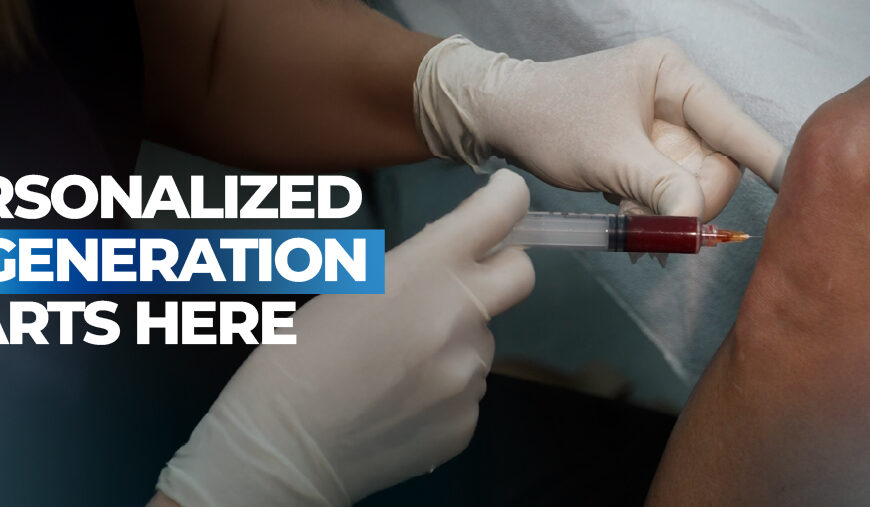
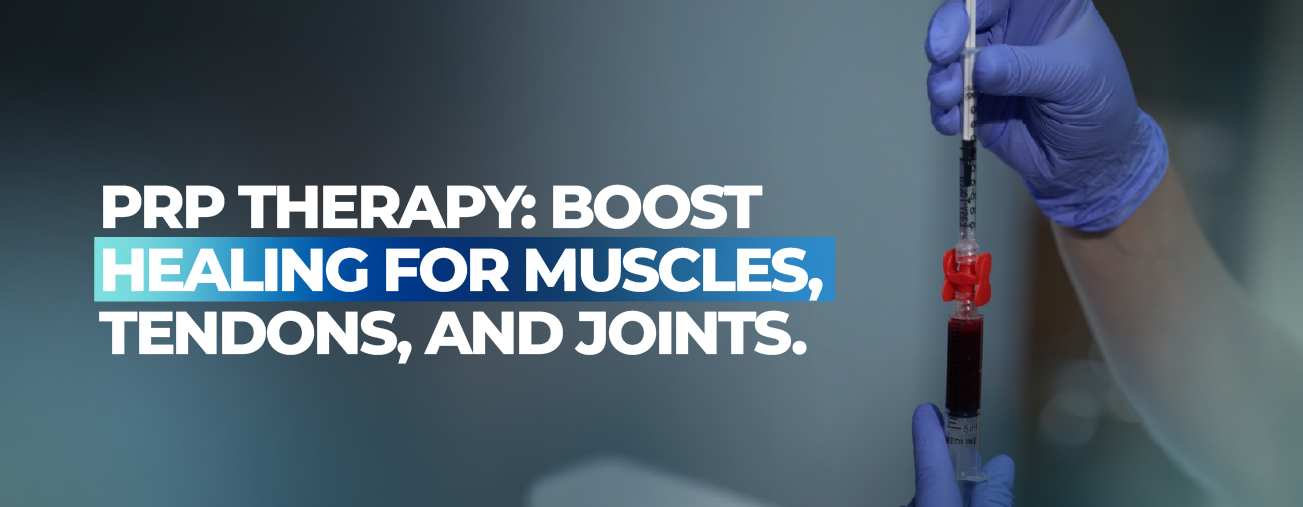
PRP therapy bypasses that limitation. A small blood draw is spun in a centrifuge to concentrate platelets five to ten times above baseline. Those platelets carry growth factors — PDGF, TGF-β, VEGF, and IGF-1 — that directly stimulate tissue repair, collagen synthesis, and new blood vessel formation at the injection site. Delivered precisely into the damaged structure under ultrasound guidance, PRP gives the tissue the biological signal it was missing.
Sports Injuries That Respond Best to PRP
Tennis Elbow and Golfer’s Elbow
Lateral and medial epicondylitis are among the most studied applications for PRP in sports medicine. Both involve tendon degeneration at the elbow — not simply inflammation — which explains why cortisone injections provide only temporary relief while the underlying tissue continues to break down. Multiple randomized controlled trials show PRP produces superior long-term outcomes compared to corticosteroids for tennis elbow, with one meta-analysis reporting significantly better pain scores and return-to-sport rates at 6 and 12 months. Most athletes return to full activity within 4 to 8 weeks post-injection.
Plantar Fasciitis
Plantar fasciitis — chronic pain at the heel from degeneration of the fascia connecting the heel to the toes — is one of the most common running injuries. Conservative care helps many cases, but chronic plantar fasciitis lasting more than 6 months often requires a more targeted intervention. PRP injected into the plantar fascia has shown consistent improvement in pain and function in multiple trials, with one study reporting 78% of patients achieving satisfactory outcomes compared to 50% in the steroid injection group at 12-month follow-up.
Rotator Cuff Injuries
Partial rotator cuff tears and chronic rotator cuff tendinopathy respond well to PRP. Full-thickness complete tears typically require surgical repair, but PRP plays a meaningful role both as a primary treatment for partial tears and as a post-surgical adjunct to enhance healing. Athletes with shoulder pain from rotator cuff tendinopathy often see significant improvement within 6 to 10 weeks — faster than the 3 to 6 months typical of physical therapy alone.
Achilles Tendinopathy
The Achilles tendon is among the most commonly injured structures in running and jumping sports. Chronic Achilles tendinopathy — particularly mid-portion tendinopathy that hasn’t responded to eccentric loading programs — is a well-established indication for PRP. Studies show PRP combined with a structured rehabilitation protocol produces better outcomes than rehabilitation alone, with athletes returning to full training 4 to 6 weeks sooner on average.
Meniscus Tears
Partial and degenerative meniscus tears are a significant source of knee pain in athletes across all age groups. PRP injected into the knee joint reduces synovial inflammation, supports the healing environment around the torn meniscus, and in some cases promotes tissue repair. For athletes who want to avoid surgery — particularly for degenerative tears where surgical outcomes are inconsistent — PRP combined with appropriate load management provides a credible alternative with growing clinical evidence.
Knee Cartilage and Patellar Tendon Injuries
Patellar tendinopathy (jumper’s knee) and patellofemoral cartilage stress respond to PRP in ways that cortisone cannot address — because both involve tissue degeneration rather than acute inflammation. PRP injections promote tendon cell activity and cartilage repair, reducing the cycle of repetitive injury that keeps athletes sidelined through multiple seasons.
Back and Spine Injuries in Athletes
Disc injuries, facet joint strain, and SI joint dysfunction are common in contact sports, weightlifting, and high-impact training. PRP for back pain follows the same biological logic as joint and tendon applications — growth factors delivered to the damaged tissue stimulate repair and reduce neuroinflammation around compressed nerve roots.
PRP vs. Cortisone: Why Athletes Are Making the Switch
Cortisone injections are still the most commonly administered treatment for sports-related tendon and joint pain. They work fast — most athletes feel significant relief within days. The problem is durability. Cortisone suppresses inflammation temporarily but does nothing to repair the damaged tissue underneath. Pain returns, often within 4 to 8 weeks, and repeated injections carry cumulative risk of tendon weakening.
For an athlete who needs to perform next weekend, cortisone makes sense. For an athlete who has been cycling through the same injury for months, it’s a temporary fix that delays addressing the actual problem. PRP takes 4 to 8 weeks to produce meaningful improvement — slower than cortisone — but those results reflect actual tissue repair, not inflammation suppression. The relief lasts longer, and the underlying structure is stronger.
You can read our detailed breakdown of PRP vs. cortisone for a head-to-head comparison of both options.
What to Expect: Timeline and Return to Play
The PRP procedure takes 45 to 60 minutes. Blood is drawn, centrifuged to concentrate the platelets, and injected under ultrasound guidance into the target structure. Ultrasound guidance is non-negotiable for sports medicine applications — placement accuracy directly determines whether the growth factors reach the damaged tissue.
After the injection, expect soreness for 2 to 5 days. Avoid NSAIDs for at least 2 weeks before and after — they suppress platelet activity and undermine the treatment. Light activity can resume within 48 to 72 hours. Return to sport timelines vary by injury:
- Tennis and golfer’s elbow: 4 to 8 weeks to full activity
- Plantar fasciitis: 4 to 6 weeks with gradual loading
- Achilles tendinopathy: 6 to 10 weeks combined with rehab
- Rotator cuff tendinopathy: 6 to 10 weeks
- Knee and meniscus: 6 to 12 weeks depending on severity
- Back and spine injuries: 4 to 8 weeks
Most athletes need one to three sessions spaced four to six weeks apart. A single injection often produces significant improvement for mild-to-moderate injuries. More complex or chronic conditions typically benefit from two to three rounds.
Combining PRP with Other Regenerative Treatments
For athletes with complex injuries involving multiple structures, PRP works best as part of a coordinated plan. We frequently combine it with shockwave therapy — shockwave breaks up calcifications and adhesions while PRP delivers the growth factors for tissue repair. For more significant cartilage damage or joint degeneration, stem cell therapy provides a deeper biological intervention that PRP alone can’t match.
The goal is always the same: get the athlete back to full activity as quickly as possible, with tissue that’s actually repaired — not just temporarily quieted.
PRP for Sports Injuries Near Orlando, FL
At Regenerative Sport, Spine & Spa, located at 10920 Moss Park Rd Suite 218, Orlando, FL 32832, Dr. Manuel Colón and Dr. Dana Kleinman evaluate each athlete’s injury with imaging review and a full clinical assessment before recommending treatment. Every PRP injection is performed under ultrasound guidance. Every return-to-sport plan is built around your specific injury, your timeline, and your performance goals.
If you’re dealing with a sports injury that isn’t healing on schedule, contact our team at 888-557-5682 to schedule a consultation. Bring any imaging you have.
You can also explore related content: natural recovery from sports injuries, runner’s knee treatment, how PRP accelerates sports injury recovery, and PRP for neck and shoulder pain.
Frequently Asked Questions
Can PRP help athletes recover faster from injuries?
Yes — for specific injury types. PRP accelerates recovery by delivering concentrated growth factors directly into damaged tendons, ligaments, and joints that struggle to heal through normal circulation. Clinical trials consistently show faster return-to-sport timelines with PRP compared to cortisone or conservative care alone for conditions like tennis elbow, Achilles tendinopathy, and plantar fasciitis. The benefit is most pronounced for chronic overuse injuries where conventional treatment has stalled. Acute complete ruptures typically require surgical repair first.
How long after a PRP injection can an athlete return to sport?
Return-to-sport timelines depend on the injury. Tennis and golfer’s elbow: 4 to 8 weeks. Plantar fasciitis: 4 to 6 weeks. Achilles tendinopathy: 6 to 10 weeks combined with rehabilitation. Rotator cuff injuries: 6 to 10 weeks. Knee and meniscus conditions: 6 to 12 weeks. Back and spine injuries: 4 to 8 weeks. These timelines assume appropriate load management and rehabilitation during recovery — PRP accelerates healing, but the tissue still needs progressive loading to rebuild strength and resilience.
Is PRP better than cortisone for sports injuries?
For long-term outcomes, yes. Cortisone provides faster initial relief but doesn’t repair tissue — pain typically returns within 4 to 8 weeks and repeated injections can weaken tendons. PRP takes longer to produce results but triggers actual tissue repair, with effects lasting 6 months to over a year. For athletes dealing with recurring injury cycles despite cortisone shots, PRP addresses the root cause rather than the symptom on top of it.
Can you train after a PRP injection?
Light activity — walking, gentle movement, low-resistance cycling — is appropriate within 48 to 72 hours. High-impact training, heavy lifting, and sport-specific activity should wait 2 to 4 weeks minimum depending on the injury and injection site. NSAIDs should be avoided for at least 2 weeks after the injection because they suppress the platelet activity that makes PRP effective. Your provider should give you a specific return-to-activity protocol based on your injury.
How many PRP injections do athletes typically need?
Most sports injuries require one to three sessions spaced four to six weeks apart. A single injection produces meaningful improvement for mild-to-moderate tendinopathy or acute partial tears. Chronic conditions with significant degeneration — longstanding Achilles tendinopathy, degenerative joint changes, post-surgical residual pain — typically benefit from two to three rounds. Your response to the first injection is the best guide for whether additional sessions are needed.