It doesn’t matter if you’re a weekend warrior, an elite-level athlete, or anywhere in between. Participating in sports often means dealing with injuries arising from the activity. These can be minor, such as twists, muscle aches, or light sprains; or they can be serious, including torn ligaments or broken bones.
These injuries can put you on the sidelines as you wait for your body to heal. Often, medical treatment is secondary to rest, for only your body’s natural healing powers can fully repair the damage, and this takes time.
For many, the urge to get back in the game is enormous, and there’s always a temptation to return too soon. Rushing recovery can lead to further injuries that may compound the original damage.
Boosting the body’s capabilities
Regenerative medicine is a field that’s undergoing an active phase of development. In simple terms, treatment moves away from “fixing” and instead focuses on “aiding.” As we learn more about how natural healing mechanisms work, we can anticipate the resources your body needs to repair itself. It’s now possible to augment some of these resources to help speed recovery.
This is true for not only sports injuries, but for other conditions and situations, such as arthritis treatment or surgical recovery. Platelet-rich plasma (PRP) therapy is gaining traction as a low-risk treatment with the potential for accelerating natural healing. It’s an ideal way to treat many sports injuries.
How PRP works
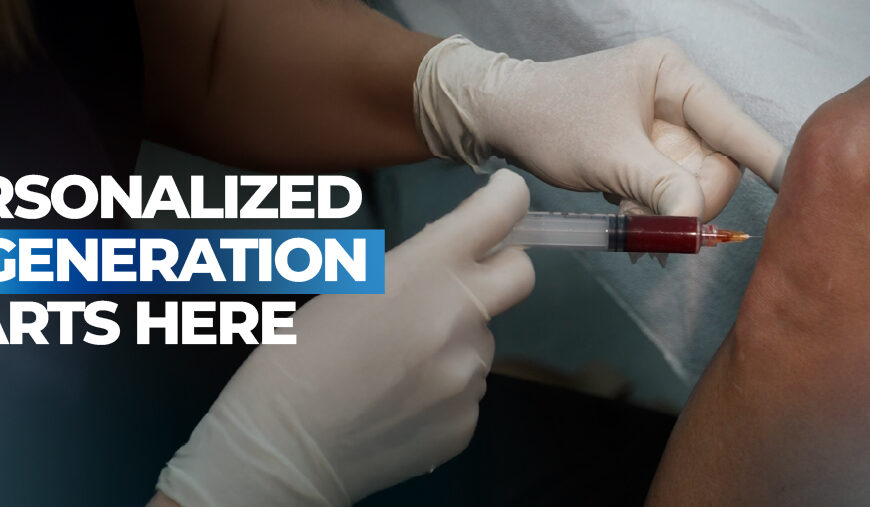
PRP therapy is typically autologous, meaning that it uses cells harvested from your own body. This ensures complete biocompatibility. You’ll have no allergic response to your own tissue, and there’s no medication involved that could cause a negative interaction. PRP represents a selective relocation of resources, intended to supplement your body’s natural healing.
Platelets are the relocated resource. Best known for their ability to clot blood at the site of an injury, platelets also carry growth factor hormones, chemical messengers present in your body that are essential to the tissue regrowth process.
The principle behind PRP is that healing can only proceed at the rate of supply of these growth factors. By harvesting, concentrating, and re-injecting platelets, PRP therapy provides an additional inventory of growth factors, so healing doesn’t need to wait for these to be supplied in normal amounts by the bloodstream.
Injuries targeted by PRP therapy
The reason many world-class athletes choose PRP treatments is that the healing boost is ideally suited to speed recovery from common soft tissue injuries, experienced when operating at the highest levels of performance. PRP can also reduce pain and inflammation, which frequently accompany such injuries. Because PRP is natural, it can be used safely alongside conventional treatments for conditions such as:
- Ligament sprains, tears, or micro-tears
- Muscle injuries, including strain or tears
- Tendonitis conditions, like tennis elbow, Achilles tendinitis, and other common overuse injuries
- Partial tendon tears
Don’t let a nagging injury keep you on the sidelines. To learn more about how PRP therapy may reduce your recovery time, contact Regenerative Sport, Spine & Spa by phone or by requesting an appointment online. Dr. Manuel and his team can develop a complete recovery plan to guide your return to the activities you love.