Runner’s knee treatment starts with understanding what’s actually wrong — because “runner’s knee” isn’t a single diagnosis. It’s a catch-all term for pain around the kneecap that affects runners, cyclists, hikers, and anyone who puts repetitive stress on the knee joint. Treating it correctly depends on identifying the specific structure involved, how severe the damage is, and what’s driving the problem in the first place.
This article covers the two main conditions behind runner’s knee, how to tell them apart, which treatments have real evidence behind them, and how regenerative medicine fits into the recovery picture for cases that don’t respond to rest and physical therapy alone.
What Is Runner’s Knee?
The term “runner’s knee” most commonly refers to patellofemoral pain syndrome (PFPS) — pain at the front of the knee, around or behind the kneecap, that worsens with running, squatting, climbing stairs, or sitting for long periods with the knee bent. A related but distinct condition, chondromalacia patella, involves actual softening and breakdown of the cartilage on the underside of the kneecap.
Both share similar symptoms and similar causes. The key difference is structural: PFPS can occur with intact cartilage, while chondromalacia involves measurable cartilage damage visible on MRI. Treatment overlaps significantly, but chondromalacia that has progressed to significant cartilage loss may need more aggressive intervention.
What Causes Runner’s Knee
Runner’s knee develops when the patella tracks incorrectly in the femoral groove — the channel in the thigh bone where the kneecap glides during movement. Poor tracking creates uneven pressure on the cartilage behind the kneecap, producing pain and eventually cartilage breakdown.
Several factors contribute to poor patellar tracking:
Weak Hip and Glute Muscles
This is the most common underlying driver. When the hip abductors and external rotators are weak, the femur rotates inward during impact — pulling the kneecap out of alignment with every stride. Strengthening these muscles is foundational to any runner’s knee recovery plan, not optional.
Tight Quadriceps and IT Band
Tight lateral structures pull the patella outward, increasing friction on its lateral facet. The iliotibial band, which runs along the outside of the thigh, connects to the patella through the lateral retinaculum. When it’s tight, it creates a lateral pull that disrupts normal tracking mechanics.
Training Load Errors
Increasing mileage too quickly, adding hills or speed work without adequate base fitness, or returning to training too soon after a break all increase the mechanical stress on the patellofemoral joint faster than the tissue can adapt. Runner’s knee frequently appears at the beginning of training cycles or during aggressive buildup phases.
Foot Mechanics and Footwear
Overpronation — excessive inward rolling of the foot during the gait cycle — increases the rotational forces transmitted up the leg to the knee. Poor footwear that doesn’t match your gait pattern amplifies this effect. A gait analysis and appropriate footwear choice are often part of addressing runner’s knee at its root.
Runner’s Knee Symptoms to Recognize
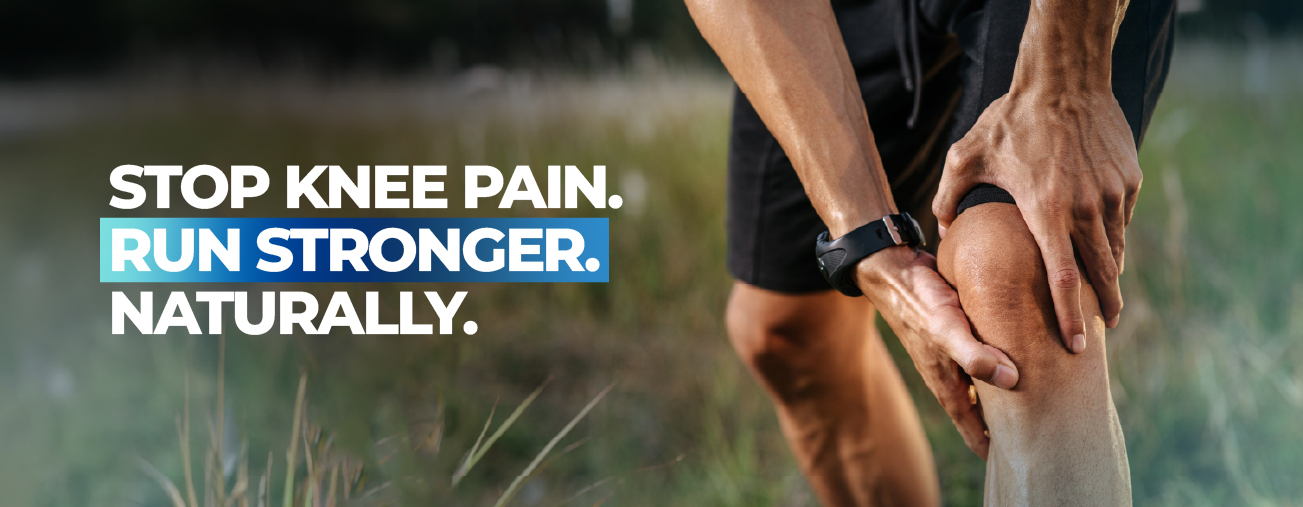
The characteristic symptom is a dull, aching pain at the front of the knee — around or directly behind the kneecap. Pain typically worsens during and after running, climbing or descending stairs, squatting, and sitting for extended periods with the knee bent (sometimes called the “movie sign” because it appears after sitting through a long film).
Swelling around the kneecap can appear in more acute cases. Grinding or clicking sensations under the kneecap during movement suggest cartilage involvement and warrant imaging to assess whether chondromalacia is present.
Pain location matters: runner’s knee produces anterior knee pain (front of the knee). Pain on the outside of the knee more likely indicates IT band syndrome. Pain below the kneecap at the tendon attachment suggests patellar tendinopathy — often called jumper’s knee — which is a different condition requiring a different treatment approach.
Runner’s Knee Treatment: What the Evidence Shows
Physical Therapy and Corrective Exercise
This is the foundation of runner’s knee recovery and the most evidence-supported intervention for PFPS. Hip strengthening — specifically hip abductors and external rotators — consistently produces significant improvement in patellofemoral pain across multiple randomized controlled trials. Quadriceps strengthening with an emphasis on VMO (vastus medialis oblique) activation helps restore patellar tracking. Most patients with PFPS who complete a structured hip and quad strengthening program recover fully within 6 to 12 weeks without further intervention.
Load Management
Reducing training volume during the acute phase while maintaining fitness through low-impact alternatives — swimming, cycling at low resistance, pool running — allows the patellofemoral joint to recover without complete deconditioning. Returning to full running load should be gradual, increasing no more than 10% per week.
PRP Therapy for Runner’s Knee
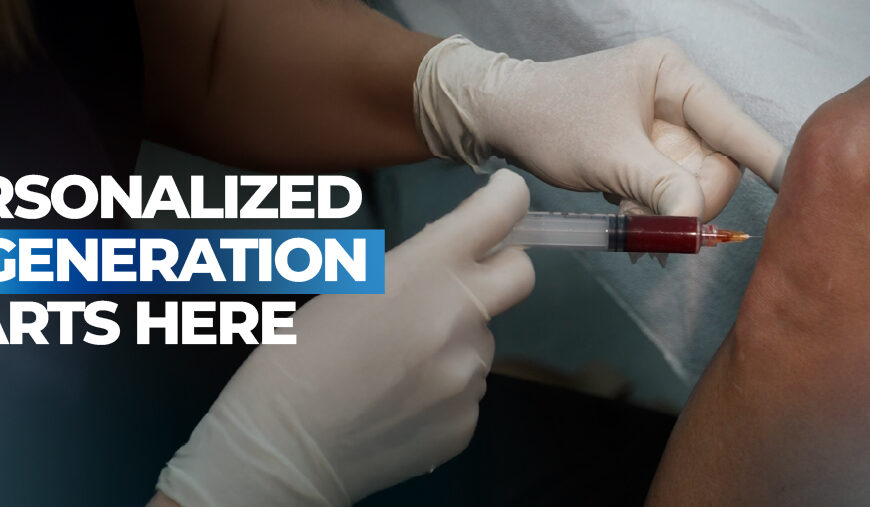
For runner’s knee that hasn’t responded to physical therapy and load management — particularly when chondromalacia with cartilage damage is present — PRP injections into the patellofemoral joint deliver concentrated growth factors that reduce joint inflammation and support cartilage repair. PRP has shown consistent benefits for knee cartilage conditions in clinical trials, with improvements in pain and function lasting 6 to 12 months per treatment cycle. For PFPS without significant cartilage loss, PRP injected into the retinacular tissues and fat pad around the kneecap can also reduce the chronic inflammation driving the pain.
Stem Cell Therapy for Chondromalacia
When chondromalacia has progressed to significant cartilage thinning or focal defects, stem cell injections offer the most biologically active approach to cartilage repair. Mesenchymal stem cells introduced into the joint can differentiate into cartilage-like cells and release growth factors that promote tissue regeneration. For younger, active patients with documented cartilage damage who want to avoid surgical procedures, stem cell therapy is a meaningful option worth evaluating.
Shockwave Therapy
Shockwave therapy works well for the tendinous and retinacular structures around the kneecap — the patellar tendon, lateral retinaculum, and IT band attachment — that become chronically tight or degenerated in runner’s knee. It breaks up adhesions and fibrotic tissue while stimulating collagen remodeling, making it a useful adjunct to physical therapy when soft tissue tightness is a significant contributor.
How Long Does Runner’s Knee Take to Heal?
Recovery time depends on the severity of the condition and whether the underlying causes are addressed. Mild PFPS with intact cartilage and good compliance with hip strengthening typically resolves in 4 to 8 weeks. Moderate cases with some cartilage involvement take 8 to 16 weeks. Significant chondromalacia with cartilage thinning can take 3 to 6 months with conservative care — or faster with regenerative interventions.
The most common reason runner’s knee doesn’t heal is incomplete treatment. Patients rest until pain subsides, return to running at the same load and with the same mechanics that caused the problem, and the cycle repeats. Addressing the hip weakness, correcting the movement pattern, and managing the return to load is what determines whether recovery is lasting or temporary.
How to Prevent Runner’s Knee from Returning
Prevention comes down to three things: maintain hip and glute strength year-round, manage training load increases conservatively, and address any gait or footwear issues before they accumulate into injury. Athletes who incorporate regular single-leg strengthening exercises — single-leg squats, lateral band walks, hip thrusts — into their training have significantly lower rates of patellofemoral pain recurrence.
If you’ve had runner’s knee before, a gait analysis with a sports medicine clinician or experienced physical therapist is worth the investment. Small corrections in running form — foot strike, hip drop, cadence — can reduce patellofemoral load by 20 to 30% without sacrificing performance.
Runner’s Knee Treatment in Orlando
At Regenerative Sport, Spine & Spa in Lake Nona, Orlando, we evaluate runner’s knee with a full clinical assessment and review of any available imaging. Dr. Manuel Colón and Dr. Dana Kleinman determine whether the condition is PFPS, chondromalacia, or a combination — and whether conservative care, regenerative treatment, or both is the appropriate path.
For active patients who want to get back to running without surgery and without the guessing game of repeated cortisone shots, our regenerative approach to knee pain offers a direct path to tissue repair and sustainable recovery.
Schedule a consultation and bring any knee imaging you have. You can also read more about stem cell therapy for knees, natural recovery from sports injuries, and how PRP helps athletes return to play faster.
Frequently Asked Questions
What is runner’s knee?
Runner’s knee refers to pain at the front of the knee around or behind the kneecap — most commonly caused by patellofemoral pain syndrome (PFPS) or chondromalacia patella. PFPS involves poor patellar tracking and joint inflammation without necessarily involving cartilage damage. Chondromalacia involves actual softening and breakdown of the cartilage on the underside of the kneecap. Both produce similar symptoms — anterior knee pain that worsens with running, stairs, and prolonged sitting — but chondromalacia with significant cartilage loss may require more aggressive treatment.
How long does runner’s knee last?
Mild cases with intact cartilage typically resolve in 4 to 8 weeks with appropriate hip strengthening and load management. Moderate cases take 8 to 16 weeks. Significant chondromalacia can take 3 to 6 months with conservative care, or faster with regenerative interventions like PRP or stem cell therapy. The most common reason runner’s knee lingers is incomplete treatment — patients return to running before addressing the hip weakness and movement patterns that caused the problem.
How do you fix runner’s knee naturally?
The most evidence-based natural approach combines hip and glute strengthening, quadriceps work with VMO emphasis, and conservative load management during recovery. Reducing running volume while maintaining fitness through low-impact alternatives prevents deconditioning. Addressing tight lateral structures — IT band, lateral retinaculum — through stretching and soft tissue work helps restore proper patellar tracking. For cases involving cartilage damage, PRP and stem cell therapy accelerate the biological healing process without surgery.
What is the difference between jumper’s knee and runner’s knee?
Both involve knee pain in active individuals but affect different structures. Runner’s knee (patellofemoral pain syndrome) produces pain around or behind the kneecap and is driven by poor patellar tracking and cartilage stress. Jumper’s knee (patellar tendinopathy) produces pain below the kneecap at the patellar tendon attachment and is driven by repetitive loading of the tendon itself — common in jumping sports like basketball and volleyball. Treatment differs: runner’s knee responds to hip strengthening and patellar mechanics correction; jumper’s knee responds to tendon loading programs and, in resistant cases, PRP injections into the tendon.
Can you run with runner’s knee?
Continuing to run through significant runner’s knee pain is not advisable — it accelerates cartilage breakdown and delays recovery. That said, complete rest is rarely the right answer either. Low-impact alternatives like swimming and cycling maintain fitness while reducing patellofemoral load. Short, flat runs at reduced intensity may be tolerable during recovery depending on severity. The standard guideline: if pain exceeds a 3 out of 10 during running, reduce load or switch to a lower-impact alternative until symptoms settle.