Neck and shoulder pain affects millions of adults and ranks among the most common reasons people seek medical care. Whether it comes from a rotator cuff tear, cervical disc degeneration, tendinopathy, or chronic overuse, the conventional treatment path tends to look the same: anti-inflammatories, physical therapy, cortisone shots, and eventually surgery. PRP injections offer a different route — one that uses your own biology to address the tissue damage causing the pain rather than just suppressing the symptoms around it.
Here’s what the clinical evidence actually shows for PRP in neck and shoulder conditions, which diagnoses respond best, and what the procedure involves.
Why Neck and Shoulder Pain Is So Resistant to Treatment
The shoulder is the most mobile joint in the body, which makes it inherently vulnerable to overuse and injury. The rotator cuff — a group of four muscles and their tendons that stabilize the shoulder — takes constant mechanical stress and has poor blood supply compared to the surrounding musculature. When rotator cuff tendons degenerate or tear, they struggle to heal on their own for the same reason intervertebral discs do: inadequate circulation means inadequate repair signal delivery.
The cervical spine adds another layer of complexity. Neck pain that radiates into the shoulder and down the arm often originates from disc degeneration, facet joint arthritis, or nerve root compression at the C4-C7 levels. These structures share overlapping nerve supply with the shoulder, which is why patients with neck and shoulder pain frequently can’t tell where one ends and the other begins — and why treating only one area often produces incomplete results.
Cortisone injections address inflammation temporarily but don’t repair damaged tendon tissue. With repeated use, they can actually weaken tendons further — a problem that’s particularly significant in the rotator cuff, where structural integrity is already compromised. PRP takes a fundamentally different approach.
How PRP Works for Shoulder Conditions
Platelet-rich plasma therapy concentrates the platelets from your own blood — along with the growth factors they carry — and delivers them directly into the damaged tissue. In the shoulder, those growth factors activate the repair process in tendon cells, reduce chronic inflammation, and stimulate collagen synthesis. For tendons that have partially degenerated rather than fully torn, this can restart a healing process that has stalled.
The mechanism matters because tendinopathy — the gradual breakdown of tendon tissue — is not simply an inflammatory condition. It’s a degenerative one. NSAIDs and steroids that target inflammation miss the actual pathology. PRP’s growth factors address tendon degeneration at the cellular level, which is why it tends to produce more durable results than anti-inflammatory treatments for chronic tendon conditions.
Shoulder Conditions That Respond to PRP Injections
Rotator Cuff Tendinopathy and Partial Tears
This is the strongest indication for PRP in the shoulder. Multiple randomized controlled trials have compared PRP to corticosteroid injections for rotator cuff tendinopathy, with consistent findings: PRP produces superior pain relief and functional improvement at 6 and 12-month follow-up, while corticosteroid effects fade after 4 to 8 weeks. A 2021 meta-analysis of 18 trials found PRP significantly outperformed saline and cortisone for both pain reduction and shoulder function scores at medium and long-term follow-up.
For partial thickness rotator cuff tears — where the tendon is damaged but not completely severed — PRP has shown the ability to stimulate tendon healing and reduce the likelihood of progression to full-thickness tear. Full-thickness complete tears typically require surgical repair, though PRP is sometimes used post-operatively to enhance healing.
Subacromial Impingement Syndrome
Impingement occurs when the tendons of the rotator cuff become pinched between the head of the humerus and the acromion — the bony prominence at the top of the shoulder. Chronic impingement leads to tendon inflammation, fraying, and eventual tearing. PRP injected into the subacromial space reduces inflammation and promotes tendon repair in the compressed structures, addressing both the symptoms and the underlying tissue damage.
Glenohumeral Joint Osteoarthritis
Shoulder joint arthritis — degeneration of the cartilage lining the ball-and-socket joint — is less common than knee or hip arthritis but equally disabling when it develops. PRP injections into the glenohumeral joint reduce synovial inflammation, support cartilage cell function, and slow the progression of degeneration. Studies show meaningful pain reduction and improved range of motion in patients with shoulder OA treated with PRP, with effects lasting 6 to 12 months per injection cycle.
Calcific Tendinitis
Calcium deposits in the rotator cuff tendons cause some of the most acutely painful shoulder presentations. PRP combined with shockwave therapy is particularly effective for calcific tendinitis — shockwave breaks up the calcium deposits while PRP supports the subsequent healing of the tendon tissue. This combination often eliminates the need for the ultrasound-guided lavage procedure (needling and irrigation) that’s typically recommended for calcific tendinitis.
Biceps Tendinopathy
The long head of the biceps tendon runs through the shoulder joint and is a frequent source of anterior shoulder pain — the aching at the front of the shoulder that worsens with overhead activity. PRP injections around the biceps tendon sheath have shown consistent reduction in pain and improved function in patients with chronic biceps tendinopathy who haven’t responded to physical therapy.
PRP for Cervical Spine and Neck Pain
Neck pain that originates from the cervical spine — disc degeneration, facet joint arthritis, or nerve root irritation — is a different clinical picture from shoulder tendon problems, but PRP addresses it through similar mechanisms.
For cervical facet joint pain, PRP injections into the facet joints reduce inflammation and support cartilage repair in the small joints that guide cervical spine movement. This is a well-established application with growing clinical evidence showing PRP produces more durable relief than steroid facet injections.
For cervical disc-related pain and radiculopathy — nerve pain radiating from the neck into the arm — intradiscal or epidural PRP follows the same logic as lumbar applications: growth factors delivered near the compressed nerve root reduce neuroinflammation and promote healing in the surrounding disc and ligament tissue. This is a more specialized application requiring precise imaging guidance, but it offers an alternative to cervical epidural steroid injections for patients who want to avoid repeated corticosteroid exposure.
For combined neck and shoulder pain from both cervical and shoulder pathology — which is common — a treatment plan that addresses both sources often produces better outcomes than treating either in isolation.
What a PRP Shoulder Injection Involves
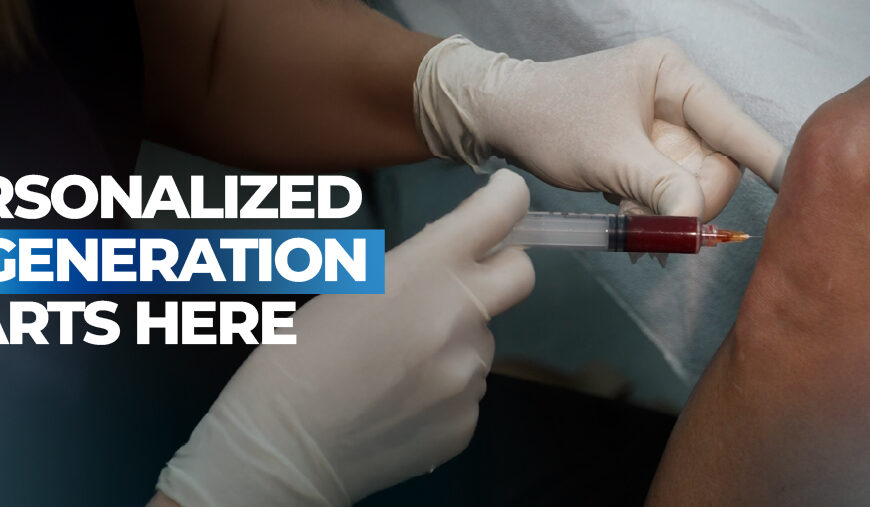
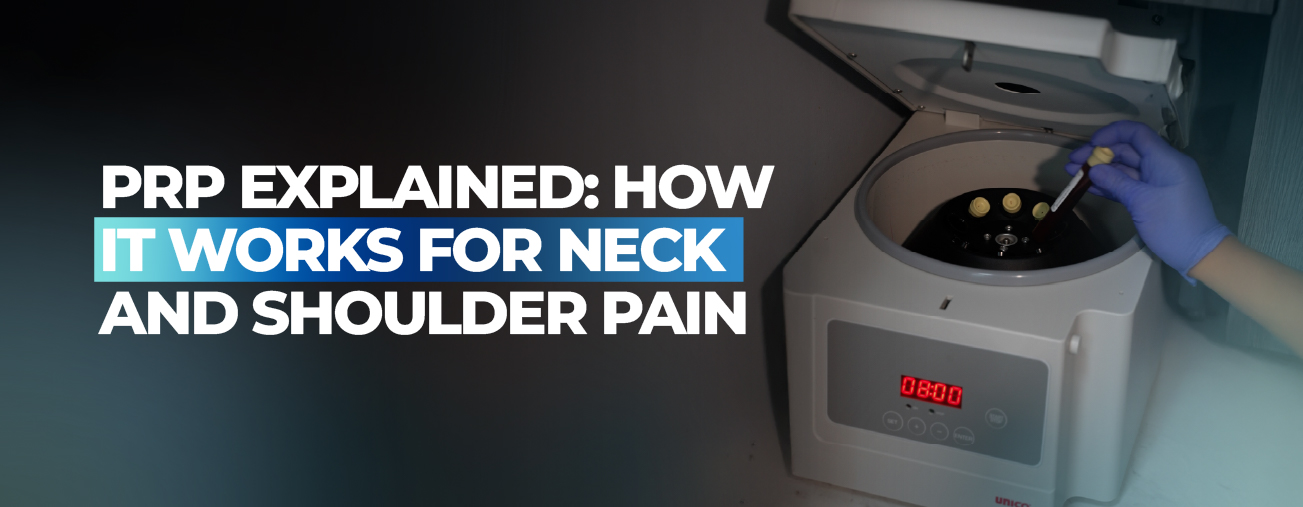
The procedure takes about 45 to 60 minutes. A small blood sample — typically 15 to 30 milliliters — is drawn from your arm and spun in a centrifuge to concentrate the platelets. The resulting PRP is then delivered under ultrasound guidance into the target structure — the subacromial space, the glenohumeral joint, the biceps tendon sheath, or a specific rotator cuff tendon, depending on your diagnosis.
Ultrasound guidance is essential for shoulder injections. The structures involved are small and anatomically close together. Precise placement determines whether the growth factors reach the damaged tissue or miss it. A PRP injection done without imaging guidance in the shoulder is a significantly inferior procedure — always verify your provider uses real-time ultrasound.
After the injection, expect soreness at the injection site for two to five days. Avoid NSAIDs for at least two weeks before and after, as they suppress platelet activity. Most patients return to light activity within one to two days. Strenuous overhead activity should wait three to four weeks. Improvement typically becomes noticeable four to eight weeks post-injection, with continued progress over the following months.
Most protocols involve one to three sessions spaced four to six weeks apart, depending on the diagnosis and treatment response.
PRP Shoulder and Neck Injections in Orlando
At Regenerative Sport, Spine & Spa in Lake Nona, Orlando, we evaluate neck and shoulder pain with imaging review and a full clinical assessment before recommending treatment. Dr. Manuel Colón and Dr. Dana Kleinman perform all PRP injections under ultrasound guidance and develop treatment plans based on the specific structures involved in your pain — not a generic protocol.
For patients with combined cervical and shoulder pathology, we coordinate treatment across both areas to address the full picture rather than just the loudest symptom.
Contact our team to schedule a consultation. Bring any imaging you have — MRI of the shoulder or cervical spine is ideal. We’ll give you a direct assessment of whether PRP is appropriate for your specific diagnosis and what realistic outcomes look like.
You can also explore: PRP therapy for back pain, how PRP compares to cortisone, natural recovery from sports injuries, and our shockwave therapy page for calcific tendinitis cases.
Frequently Asked Questions
Does PRP work for shoulder pain?
Yes, with strong clinical evidence for specific conditions. Multiple randomized controlled trials show PRP outperforms cortisone injections for rotator cuff tendinopathy at 6 and 12-month follow-up. A 2021 meta-analysis of 18 trials confirmed PRP produces superior pain relief and functional outcomes compared to saline and steroids for shoulder tendon conditions. Results are strongest for tendinopathy and partial tears — full-thickness complete rotator cuff tears typically need surgical repair first, though PRP supports post-surgical healing.
How many PRP injections are needed for shoulder pain?
Most patients require one to three sessions spaced four to six weeks apart. A single injection is often sufficient for mild to moderate tendinopathy. More advanced degeneration, calcific tendinitis, or joint arthritis typically benefits from two to three rounds. Your response to the first injection guides the total number — meaningful improvement by weeks six to eight suggests the treatment is working and additional sessions will build on that progress.
How much does a PRP shoulder injection cost?
PRP shoulder injections typically cost between $500 and $2,000 per session depending on, the specific injection site, and whether ultrasound guidance is included. Ultrasound-guided injections cost more but are significantly more accurate and should always be the standard for shoulder PRP. Most insurance plans don’t cover PRP for shoulder conditions. HSA and FSA funds can typically be used. Some workers’ compensation and auto insurance claims do provide coverage — ask about this specifically during your consultation.
Is PRP better than cortisone for shoulder pain?
For long-term outcomes, yes. Cortisone provides faster initial relief — often within days — but the effects typically last 4 to 8 weeks before pain returns. PRP takes longer to work (4 to 8 weeks for initial improvement) but produces more durable results because it repairs the underlying tissue rather than suppressing inflammation around it. Repeated cortisone injections also carry cumulative risk of tendon weakening, which is a real concern in the rotator cuff. For patients with chronic shoulder tendinopathy who keep returning for cortisone every few months, PRP is usually the better long-term investment.
Can PRP treat neck pain as well as shoulder pain?
Yes. For cervical facet joint pain, PRP injections produce more durable relief than steroid facet injections. For cervical disc-related pain and arm radiculopathy, epidural or intradiscal PRP reduces neuroinflammation and supports disc and ligament healing near the compressed nerve root. Many patients with combined neck and shoulder pain have pathology in both the cervical spine and the shoulder joint — addressing both sources together typically produces better outcomes than treating only the more symptomatic area.