Choosing between PRP and stem cell therapy can feel overwhelming when you’re dealing with an injury or chronic condition. Both treatments use your body’s natural healing abilities, but they work in different ways and offer distinct benefits for various health problems.
PRP therapy uses concentrated platelets from your blood and works best for mild to moderate tissue damage, while stem cell therapy uses specialized cells that can transform into different cell types and typically provides more powerful regeneration for severe injuries. PRP contains growth factors that promote healing, but stem cells can actually replace damaged tissue by becoming the specific cells your body needs.
The right choice depends on your specific condition, injury severity, and treatment goals. We’ll break down how each therapy works, what conditions they treat best, and help you understand which option might give you the results you’re looking for.
Key Takeaways
- PRP therapy works faster and costs less but has limited healing power compared to stem cells
- Stem cell therapy can treat more severe conditions but requires longer preparation time and specialized facilities
- Your injury type and severity should guide your choice between these two regenerative medicine options
Comparing PRP and Stem Cell Therapies
These two regenerative approaches work through different mechanisms – PRP concentrates growth factors from your own blood platelets, while stem cell therapy uses specialized cells that can transform into various tissue types. Understanding how each treatment functions helps determine which option suits your specific condition.
Key Differences and Similarities
PRP and stem cell therapies share the goal of healing damaged tissues but use different biological materials. PRP therapy involves concentrating platelets from blood plasma to deliver growth factors directly to injury sites.
Stem cell therapy uses mesenchymal stem cells (MSCs) that can differentiate into bone, cartilage, fat, and other tissue types. These cells also produce growth factors and cytokines that promote healing.
Key Differences:
- Preparation time: PRP takes 30-60 minutes to prepare, while stem cells require weeks of laboratory cultivation
- Cell types: PRP contains blood platelets; stem cell therapy uses MSCs
- Regenerative capacity: Stem cells can replace damaged cells in virtually any tissue, while PRP applications serve limited benefit for certain conditions
Both treatments use your own biological material, reducing rejection risks.
How PRP Therapy Works
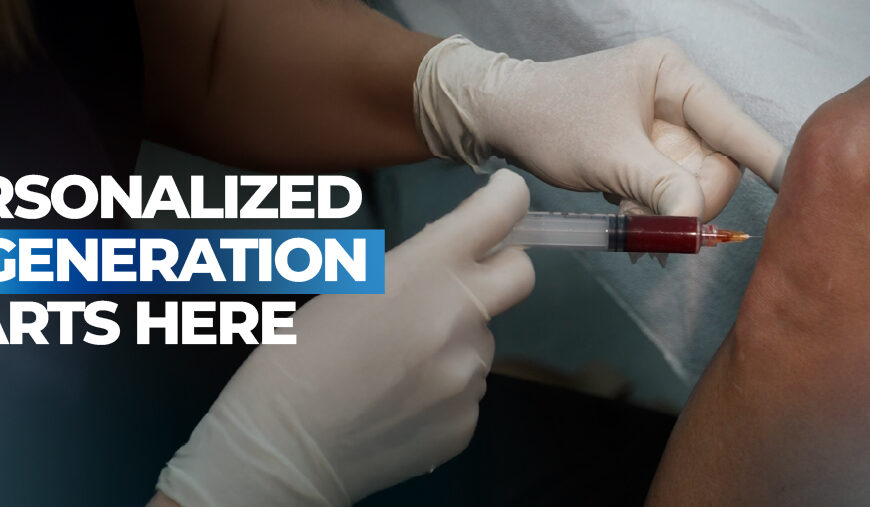
Platelet-rich plasma contains five times higher platelet concentrations than normal blood. We collect your blood and spin it in a centrifuge to separate the components.
The process creates three layers: red blood cells at the bottom, platelets and white blood cells in the middle, and plasma on top. We extract the platelet-rich middle layer for treatment.
These concentrated platelets contain over 800 proteins that act on stem cells, fibroblasts, and other healing cells. When injected, platelets release growth factors that stimulate cell division and tissue repair.
PRP promotes healing by increasing blood vessel formation and attracting your body’s natural repair cells to the treatment area.
How Stem Cell Therapy Works
Stem cell therapy uses mesenchymal stem cells extracted from your bone marrow or fat tissue. These primitive cells have the capacity for self-renewal and can differentiate into as many as 200 different cell types.
MSCs work through two main mechanisms. First, they can directly replace damaged cells by transforming into the specific tissue type needed for repair. Second, they secrete growth factors and anti-inflammatory substances that help existing cells heal faster.
The preparation requires isolating cells from adult tissues and culturing them in sophisticated laboratory settings for several weeks before they’re ready for therapeutic use.
This cell therapy approach offers broader regenerative potential than PRP because the cells can actually become new tissue rather than just stimulating existing repair processes.
Applications, Outcomes, and Patient Considerations
Both PRP and stem cell therapies address specific orthopedic conditions with varying success rates, from acute sports injuries to chronic degenerative joint disease. Treatment selection depends on injury type, patient age, severity of tissue damage, and individual healing capacity.
Common Conditions Treated
PRP Applications
PRP shows strong results in tendon injuries and bone regeneration cases. We commonly use it for rotator cuff tears, tennis elbow, and Achilles tendinitis.
The therapy works well for acute sports medicine injuries. It helps reduce inflammation and supports natural healing processes.
Stem Cell Applications
Adult stem cells from bone marrow target more complex conditions. We see the best outcomes in cartilage injuries and early-stage osteoarthritis.
Knee pain from cartilage damage responds well to stem cell therapy. The treatment promotes tissue regeneration in joints where other methods fail.
Shared Applications
Both therapies treat ligament sprains and chronic tendon problems. We often combine them with traditional orthopedic medicine approaches.
Research shows MSC therapy as the most effective intervention for pain reduction compared to other regenerative medicine options.
Effectiveness for Musculoskeletal Injuries
PRP Outcomes
PRP provides short-term pain relief, particularly in acute injuries and fresh tissue damage. We see improvement within 2-6 weeks of treatment.
Success rates vary based on preparation methods. Different platelet concentrations affect healing outcomes significantly.
The therapy works best for:
- Fresh tendon injuries
- Mild cartilage damage
- Enhancing blood flow to injured areas
Stem Cell Outcomes
Stem cells show cartilage regeneration and early osteoarthritis improvement in clinical studies. Results appear after 3-6 months of treatment.
We observe longer-lasting effects compared to PRP. The therapy addresses underlying tissue damage rather than just symptoms.
Adult stem cells excel at rebuilding damaged cartilage in knee joints. They also help repair complex ligament tears that don’t heal naturally.
Suitability and Personalization of Treatment
Patient Selection Factors
Age affects treatment choice significantly. Younger patients with acute injuries respond better to PRP therapy.
Older patients with degenerative conditions benefit more from stem cell approaches. We consider overall health status and healing capacity.
Treatment Customization
We evaluate injury severity before recommending therapy. Fresh injuries under 6 months old suit PRP treatment well.
Chronic conditions lasting over a year need stem cell intervention. The therapy addresses deep tissue damage that PRP cannot reach.
Practical Considerations
Cost and accessibility influence treatment decisions. High costs and ethical concerns remain barriers for stem cell therapy adoption.
We provide detailed information on preparation procedures and treatment modalities to help patients choose appropriate options.
Recovery time varies between treatments. PRP allows faster return to activity, while stem cells require longer healing periods.
Frequently Asked Questions
People often ask about specific treatment outcomes for different conditions and body areas. The effectiveness varies based on injury type, treatment goals, and individual patient factors.
What are the differences in effectiveness between PRP and stem cell therapies for treating knee injuries?
PRP works better for mild to moderate knee injuries like tendon strains and early arthritis. It uses your blood’s healing factors to reduce pain and inflammation.
Stem cell therapy shows more promise for severe cartilage damage and advanced arthritis. The cells can potentially grow into new cartilage tissue.
Recovery time differs between treatments. PRP patients typically see results in 4-8 weeks. Stem cell therapy may take 3-6 months to show full benefits.
Cost also varies significantly. PRP costs $500-$2000 per treatment. Stem cell procedures range from $3000-$8000.
Research shows mixed results for both treatments in knee conditions. We need more studies to prove which works better for specific injuries.
Which treatment is more suitable for hair loss: PRP or stem cell therapy?
PRP has more proven results for hair loss treatment. Studies show it can increase hair thickness and growth in people with pattern baldness.
The treatment takes about 30 minutes. We inject PRP into your scalp every 4-6 weeks for best results.
Stem cell therapy for hair regrowth uses cells from fat tissue or hair follicles. Early research looks promising but we need more long-term studies.
PRP costs less than stem cell treatments. Most people pay $600-$1500 per PRP session. Stem cell hair treatments cost $3000-$10000.
Side effects are minimal with both treatments. PRP may cause mild scalp tenderness. Stem cell procedures have slightly higher infection risk.
What are the advantages of using PRP over stem cells for facial rejuvenation?
The procedure is faster and simpler. We draw your blood, process it, and inject or apply it to your face in under an hour.
PRP has fewer safety concerns than stem cell treatments. We use your own blood so there’s no risk of rejection or serious complications.
Recovery time is shorter with PRP. Most people return to normal activities the same day with only mild redness.
Studies on PRP effectiveness show it can improve skin texture and reduce fine lines. Results typically last 6-12 months.
Stem cell facial treatments require fat removal surgery first. This adds cost, time, and potential complications to the procedure.