Chronic joint pain affects millions of people worldwide, leaving many searching for effective treatments beyond traditional medications and surgery. Stem cell therapy has emerged as a promising option that uses the body’s own healing cells to reduce inflammation and potentially repair damaged joint tissue.
When treating joint pain with stem cells, patients should expect temporary symptom relief rather than permanent cures, with treatments showing resolution of symptoms that may be at least transient due to the cells’ ability to sense and respond to inflammation. The therapy involves injecting stem cells directly into affected joints, where they work primarily through anti-inflammatory effects rather than rebuilding entire joint structures.
Understanding what stem cell therapy can and cannot do helps patients make informed decisions about their treatment options. While research shows promise for managing chronic joint pain, we believe it’s important to have realistic expectations about outcomes, timelines, and the potential need for repeat treatments.
Key Takeaways
- Stem cell therapy primarily works by reducing inflammation in joints rather than completely rebuilding damaged tissue
- Patients typically experience temporary pain relief that may require repeat treatments to maintain benefits
- The treatment process involves injecting concentrated stem cells directly into affected joints with minimal downtime
Understanding Stem Cell Therapy for Chronic Joint Pain
Stem cell therapy uses the body’s natural healing cells to repair damaged joint tissue and reduce inflammation. We can obtain these cells from bone marrow or fat tissue, then inject them directly into painful joints to promote healing.
How Stem Cell Therapy Works
Stem cells work by targeting inflammation and promoting tissue repair in damaged joints. When we inject these cells into affected areas, they release anti-inflammatory proteins that help reduce pain and swelling.
The cells also encourage the growth of new cartilage and other joint tissues. This happens because stem cells can transform into different types of cells your body needs for repair.
Mesenchymal stem cells help reduce pain by creating a healing environment around the injection site. They release growth factors that signal your body to start repairing damaged tissue.
The therapy works best for joints with mild to moderate damage. Severely damaged joints may see less improvement because there is less healthy tissue for the stem cells to work with.
Most patients receive injections directly into the painful joint. The procedure takes about 30 minutes and uses a small needle similar to other joint injections.
Types of Stem Cells Used in Therapy
Mesenchymal stem cells (MSCs) are the most common type used for joint pain treatment. We can harvest these cells from two main sources in your body.
Bone marrow stem cells come from the hip bone through a small needle procedure. These cells are very effective at becoming cartilage and bone tissue.
Adipose tissue stem cells come from fat tissue, usually from the belly or thighs. This method is less painful than bone marrow extraction and provides more cells.
| Cell Source | Extraction Method | Benefits | Drawbacks |
| Bone Marrow | Hip bone needle | High quality cells | More painful procedure |
| Fat Tissue | Liposuction-like | Less painful, more cells | May be less potent |
Some clinics use donor cells from healthy young adults. However, autologous cells from your own body are generally safer and work better.
Conditions Commonly Treated with Stem Cell Therapy
Osteoarthritis is the most common condition we treat with stem cell therapy. This includes knee, hip, and ankle arthritis where cartilage has worn away over time.
Knee osteoarthritis patients often choose stem cell therapy as an alternative to joint replacement surgery. The treatment can help delay or avoid major surgery.
Other joint conditions that respond well include:
- Rheumatoid arthritis in early stages
- Joint injuries from sports or accidents
- Chronic tendon problems like tennis elbow
- Ligament damage that causes ongoing pain
We also treat chronic pain conditions like diabetic nerve pain. Anti-inflammatory stem cells can reduce symptoms of painful nerve damage.
The therapy works best for patients with moderate joint damage. People with severe arthritis or completely worn joints may need additional treatments for the best results.
Age and overall health also affect treatment success. Younger patients with healthier cells typically see better outcomes than older patients with multiple health problems.
Stem Cell Treatment Process and What Patients Can Expect
The stem cell therapy process typically involves harvesting cells from your own body, preparing them in a lab, and injecting them directly into affected joints. Most patients experience minimal downtime compared to knee replacement surgery, with gradual improvements occurring over several months.
Step-by-Step Overview of the Procedure
Initial Consultation and Assessment
We begin with a comprehensive evaluation by orthopedic surgeons to determine if you’re a candidate for stem cell therapy. This includes reviewing your medical history, examining the affected knee joint, and analyzing imaging studies.
Your doctor will assess the severity of conditions like bursitis, ligament injuries, or cartilage damage. Not all patients qualify for this treatment.
Cell Harvesting Process
The most common approach involves extracting bone marrow stem cells from your hip bone using a needle. This minimally invasive procedure typically takes 30-45 minutes under local anesthesia.
Some clinics also harvest cells from fat tissue. The extraction site may feel sore for a few days afterward.
Laboratory Processing
Your harvested cells undergo processing to concentrate the stem cells and growth factors. This step can take several hours to a few weeks, depending on whether cells need expansion in culture.
The number of cells administered can be precisely determined, ensuring consistent treatment quality.
Stem Cell Injections and Delivery Methods
Intra-articular Injection Technique
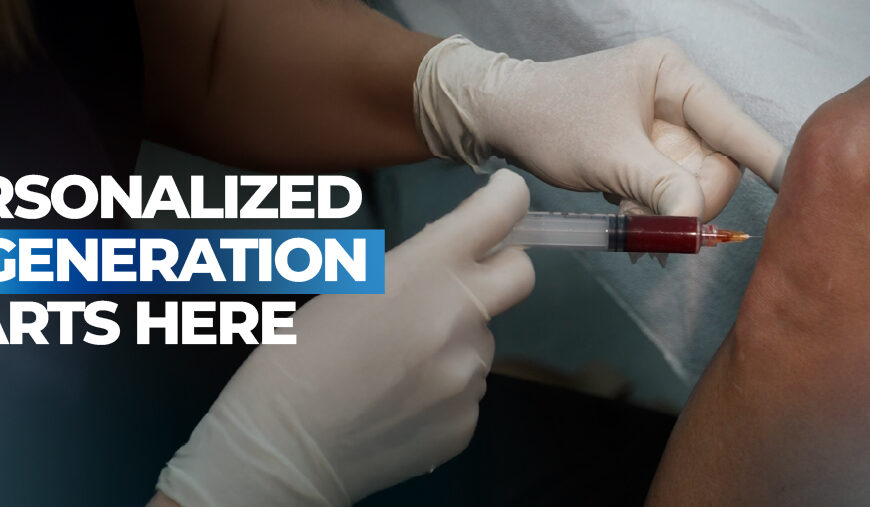
We deliver stem cell injections directly into the joint space using ultrasound or fluoroscopic guidance. This ensures accurate placement within the knee joint.
The injection process takes about 15-20 minutes. Most patients experience only mild discomfort during the procedure.
Combined Treatment Approaches
Many practitioners combine stem cells with other regenerative medicine components. Platelet-rich plasma (PRP) is commonly added to enhance healing potential.
Some treatments include exosomes or hyaluronic acid to provide additional therapeutic benefits. These combinations may improve overall outcomes for knee pain relief.
Treatment Protocols
Most patients receive 1-3 injections spaced several weeks apart. The exact protocol depends on your condition severity and response to initial treatment.
Single treatments may be sufficient for minor issues, while severe joint damage might require multiple sessions.
Comparing Stem Cell Therapy to Conventional Treatments
Versus Traditional Injections
Unlike corticosteroids that provide temporary pain relief, stem cell therapy aims to promote actual tissue repair. Hyaluronic acid injections offer lubrication but don’t address underlying damage.
Stem cell treatments may provide longer-lasting benefits compared to these conventional options.
Surgical Comparison
| Treatment Type | Recovery Time | Invasiveness | Long-term Results |
| Stem Cell Therapy | 2-6 weeks | Minimal | Moderate improvement |
| Knee Replacement | 3-6 months | Major surgery | Excellent pain relief |
| Arthroscopy | 4-8 weeks | Moderate | Variable results |
We consider stem cell therapy for patients who want to delay or avoid knee replacement surgery. It’s particularly appealing for younger, active individuals.
The procedure carries lower risks than major surgical interventions while potentially postponing the need for joint replacement.
Recovery Timeline and Expected Outcomes
Immediate Post-Treatment Period
You can expect some swelling and discomfort in the first 48-72 hours after injection. We recommend avoiding strenuous activities for the first week.
Most patients return to normal daily activities within 2-3 days. Ice application and over-the-counter pain medications help manage initial symptoms.
Progressive Improvement Timeline
Weeks 2-6: Initial inflammatory response subsides, and you may notice reduced stiffness.
Months 2-3: Gradual improvements in pain and function become more apparent as tissue healing progresses.
Months 6-12: Maximum benefits typically occur during this timeframe, with continued improvement possible.
Realistic Outcome Expectations
We emphasize that results vary significantly between patients. Some experience substantial pain relief and improved function, while others see modest improvements.
Clinical studies show mixed results, with success rates depending on factors like age, condition severity, and individual healing capacity. Complete pain elimination is uncommon, but many patients report meaningful functional improvements.
The treatment may help delay more invasive procedures like knee replacement surgery, particularly in younger patients with early-stage joint degeneration.
Frequently Asked Questions
Pain levels can increase temporarily after stem cell injections, and specific activity restrictions help protect the treatment site during early healing. These concerns represent the most common questions patients ask about their recovery process.
We often see patients experienceincreased pain for the first 24 to 72 hours after stem cell therapy. Thistemporary pain spike occurs because the injection itself causes tissue irritation at the treatment site.
The heightened discomfort typically feels similar to muscle soreness after exercise. Your body responds to the injection by creating inflammation, which is actually part of the healing process.
Most patients find their pain returns to baseline levels within three to five days. We recommend using ice packs for 15-20 minutes several times daily during this period.
Some patients worry this increased pain means the treatment isn’t working. However, this temporary response is normal and doesn’t indicate treatment failure.
We advise against taking anti-inflammatory medications like ibuprofen during the first week. These drugs can interfere with the natural healing response your body needs.
We require patients to avoid high-impact activities for the first two weeks after treatment. Running, jumping, and heavy weightlifting can disrupt the cells as they begin to integrate with your tissue.
Swimming and other water activities should be avoided for 48 hours to prevent infection at the injection site. The small puncture wound needs time to close completely.
We recommend limiting walking to short distances during the first three days. Extended walking or standing can increase swelling and delay the initial healing process.
Patients should avoid anti-inflammatory medications, alcohol, and smoking for at least one week. These substances can interfere with the stem cells’ ability to function effectively.
We encourage gentle range-of-motion exercises starting on day two or three. Light stretching helps maintain joint mobility without stressing the treatment area.
Most patients can return to normal daily activities within one week. However, we typically recommend waiting four to six weeks before resuming full exercise routines.