Stem cell therapy is transforming how doctors treat bone, joint, and muscle injuries by using the body’s own healing cells to repair damaged tissue. This breakthrough treatment offers new hope for patients with conditions like arthritis, torn cartilage, and broken bones that once required major surgery or had limited treatment options.
Traditional orthopedic care often focused on managing pain or replacing damaged joints with artificial parts. Now, stem cells can potentially regenerate healthy tissue where it was damaged or lost. These special cells can develop into different types of tissue, including bone, cartilage, and tendons.
We are seeing remarkable changes in how orthopedic conditions are treated. Patients who might have needed joint replacement surgery may now have less invasive options. Recovery times are often shorter, and many people experience lasting improvements in pain and movement.
Key Takeaways
- Stem cell therapy uses the body’s natural healing cells to repair damaged bones, joints, and muscles
- This treatment can regenerate healthy tissue instead of just managing symptoms or replacing joints
- Patients often experience shorter recovery times and better long-term outcomes compared to traditional surgery
Core Principles and Processes of Stem Cell Therapy in Orthopedics
Stem cell therapy transforms orthopedic treatment by using the body’s own repair cells to heal damaged tissue. This approach works by delivering specialized cells to injury sites where they promote natural healing and tissue growth.
What Makes Stem Cell Therapy Revolutionary in Orthopedic Care
Traditional orthopedic treatments often mask symptoms or replace damaged parts. Stem cell therapy takes a different path by helping our bodies heal themselves.
Key Revolutionary Aspects:
- Natural repair enhancement – We use the body’s own healing cells instead of synthetic materials
- Multiple tissue types – Stem cells can become bone, cartilage, tendons, or ligaments as needed
- Reduced surgery need – Many patients avoid major operations through regenerative treatments
- Faster recovery times – Natural healing often progresses quicker than traditional methods
The therapy targets the root cause of orthopedic issues. Instead of just treating pain, we focus on regenerating damaged tissue at the cellular level.
This approach works especially well for cartilage repair and osteoarthritis. These conditions typically don’t heal well on their own because cartilage has limited blood supply.
How Stem Cells Facilitate Tissue Repair and Regeneration
Stem cells have two main abilities that make tissue repair possible. They can copy themselves many times and turn into different cell types our bodies need.
The Repair Process:
- Cell migration – Stem cells move to damaged areas through chemical signals
- Differentiation – Cells change into bone, cartilage, or other needed tissue types
- Growth factor release – Cells produce proteins that speed up healing
- New tissue formation – Fresh, healthy tissue replaces damaged areas
We commonly use mesenchymal stem cells for orthopedic conditions. These cells come from bone marrow, fat tissue, or other body sources.
The cells work by reducing inflammation while building new tissue. This dual action helps patients feel better while actually fixing the problem.
Recovery happens gradually over several months. Patients often notice pain reduction first, followed by improved movement and function.
Overview of Treatment Process and Safety Considerations
The treatment process typically involves three main phases: cell collection, preparation, and injection into the affected area.
Treatment Steps:
- Collection – We extract stem cells from the patient’s bone marrow or fat tissue
- Processing – Cells are concentrated and prepared in a sterile lab environment
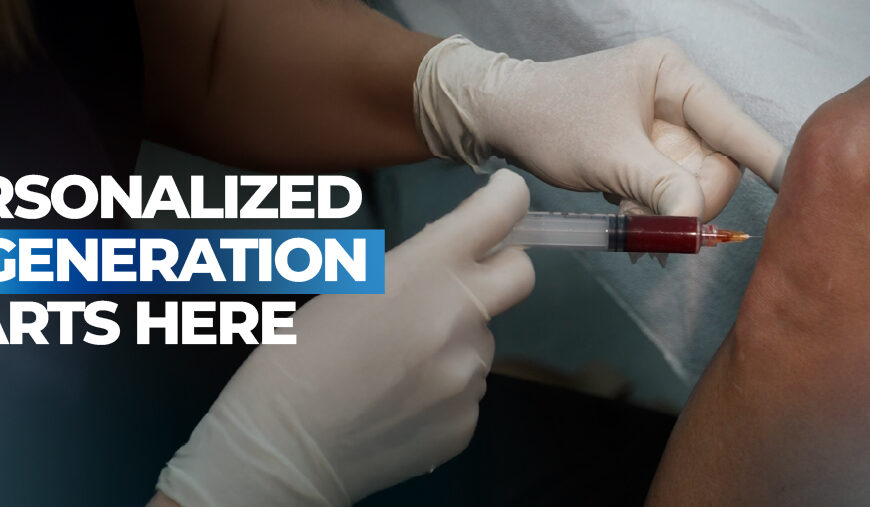
- Injection – Cells are delivered directly to the injury site using imaging guidance
- Recovery – Patients follow specific activity guidelines while healing occurs
Most procedures happen in outpatient settings. The entire process usually takes 2-4 hours depending on the collection method.
Safety Profile:
Since we use the patient’s own cells, rejection risks are minimal. Common side effects include temporary soreness at injection sites.
We carefully screen patients before treatment. Good candidates typically have mild to moderate tissue damage rather than complete joint destruction.
The therapy works best when combined with physical therapy and proper nutrition. These factors support the natural healing process and improve outcomes.
Impact of Stem Cell Therapy on Orthopedic Conditions and Patient Outcomes
Stem cell therapy shows clear benefits for treating bone and joint problems. We see improvements in pain levels, joint movement, and tissue healing across many orthopedic conditions.
Arthritis and Osteoarthritis: Enhancing Mobility and Reducing Pain
Osteoarthritis affects millions of people and causes joint pain and stiffness. Traditional treatments only manage symptoms, but stem cell therapy can help repair damaged cartilage.
Mesenchymal stem cells (MSCs) work by turning into cartilage cells. They also reduce inflammation in the joint. This helps patients feel less pain and move better.
Studies show patients with knee osteoarthritis have significant pain reduction after stem cell treatment. Many people can walk longer distances and climb stairs more easily.
Key benefits include:
- Reduced joint inflammation
- Better cartilage quality
- Less morning stiffness
- Improved daily activities
The treatment works best in early-stage arthritis. Patients with severe joint damage may need other treatments too. Most people see improvements within 3 to 6 months.
Joint Repair and Tissue Regeneration for Injury Recovery
Stem cells help fix damaged joints by growing new tissue. MSCs can become bone cells, cartilage cells, or other joint tissues as needed.
Tissue regeneration happens when stem cells release growth factors. These proteins tell the body to heal faster and build stronger tissue.
Patients with joint injuries often have faster recovery times. The new tissue is usually stronger than scar tissue from normal healing.
Common applications:
- Damaged knee cartilage
- Hip joint problems
- Shoulder injuries
- Ankle defects
We see better results when we combine stem cells with other treatments. The cells need the right environment to work well.
Treatment of Ligament Injuries and Sports-Related Conditions
Ligament injuries are common in athletes and active people. These injuries often heal slowly and may cause long-term problems.
Stem cell therapy speeds up ligament healing. The cells help grow stronger, more flexible tissue. This reduces the chance of getting hurt again.
Sports medicine doctors use stem cells for many conditions. These include torn ACL, damaged rotator cuffs, and chronic tendon problems.
Athletes often return to sports faster after stem cell treatment. The new tissue handles stress better than naturally healed ligaments.
Treatment targets:
- ACL and MCL tears
- Rotator cuff injuries
- Tennis elbow
- Achilles tendon problems
Recovery time varies by injury type. Most athletes see improvements in 2 to 4 months.
Integration of Regenerative Treatments Like PRP and MSCs
Platelet-rich plasma (PRP) and stem cells work well together. PRP contains growth factors that help stem cells work better.
We often use both treatments in the same procedure. PRP provides immediate healing signals while MSCs create long-term tissue repair.
This combination approach gives better results than using either treatment alone. Patients have less pain and faster healing.
Treatment combinations:
- MSCs + PRP for joint repair
- Stem cells + growth factors
- Multiple injection sessions
- Surgery plus regenerative therapy
Regenerative treatments are changing how we treat orthopedic problems. We can now fix tissues instead of just managing symptoms.
The timing of treatments matters. We usually give PRP first, then stem cells a few weeks later. This sequence helps maximize healing.